Insights

Insights

Insights

AGI and ASI in recruitment: why the distinction matters

AGI and ASI in recruitment: why the distinction matters

AGI and ASI in recruitment: why the distinction matters

Jan 6, 2026

Recruitment isn’t short on technology. What’s missing is flow. CVs, ATS systems and databases often work fine on their own, but as soon as information moves from one system to another, meaning gets lost. What was understood once suddenly has to be interpreted again.

In that reality, terms like AGI and ASI come up more and more often. Usually mixed together. And that’s exactly where the conversation starts to drift, while a clear distinction would actually help define what recruitment needs today.


ASI: impressive, but not useful for recruitment

ASI refers to systems that learn on their own, set goals and make decisions beyond human level. It’s an important idea in ethical and societal debates about technology.

For recruitment, though, it has little practical value. Not because technology doesn’t matter, but because recruitment isn’t a closed system. Candidates, clients and timing change constantly, and decisions depend heavily on context.

The problem with ASI is that it focuses on autonomous decision-making, while recruitment struggles with something far more basic: lost context, fragmented processes and systems that don’t talk to each other.

That’s why decision-making in recruitment belongs with people. Not because technology isn’t good enough, but because only people can see the full picture: conversations with candidates, client dynamics and the right timing.


AGI: not about doing everything, but about building differently

AGI (Artificial General Intelligence) is often made bigger than it needs to be, as if it only exists once a system can do everything. In reality, AGI is much more practical: it’s about applying understanding across different situations.

AGI doesn’t exist without context. What it means in finance is different from healthcare, and in recruitment it takes on its own shape again.

Here, AGI isn’t about predicting or deciding. It comes down to one simple question:

"Can what a system understands be reused across multiple steps of the recruitment process?"


A familiar pattern in day-to-day work

In many recruitment teams, the same thing happens every day.

A CV comes in with an unusual layout. The content is good, but messy. A recruiter interprets it, rewrites the profile and presents it. Later, that same profile needs another rewrite for a different role. Meanwhile, the database slowly becomes outdated.

Each step works. But the understanding resets every time.

Many recruitment tools call themselves intelligent, but are really just separate automations that don’t share context. What’s added in one step disappears in the next.

That’s not a lack of intelligence. It’s how the systems are designed.


Where AGI actually starts in recruitment

AGI doesn’t start when tasks get faster. It starts when understanding sticks.

In recruitment, that means:

  • experience doesn’t need to be reinterpreted every time

  • knowledge isn’t rebuilt for each process

  • context stays intact between CVs, profiles and databases

  • systems behave consistently, even when input changes

Once every step needs its own rules and exceptions, things fragment. That might feel efficient at first, but over time it creates complexity and errors.

AGI starts where that fragmentation stops.


Why “smarter” systems miss the point

The instinct is often to look for bigger models, more automation or more autonomy. But recruitment doesn’t need systems that decide on their own.

It needs systems that:

  • support rather than replace

  • stay consistent instead of fragmented

  • strengthen human judgement instead of overriding it

That’s the real difference between AGI and ASI. Not how smart the system is, but how it fits into the process.


When AGI stops being a promise

The line is clear. AGI in recruitment does not exist when:

  • every task follows its own logic

  • context has to be rebuilt again and again

  • people constantly bridge the gaps between systems

AGI does exist when understanding can be reused. When the same interpretation flows through multiple steps without redesigning the process each time.

That’s not a future vision. It’s a way of building.


Where it all comes together

AGI becomes tangible when understanding doesn’t stop after one step, but carries through everything that follows.

A profile that’s properly understood shouldn’t lose meaning when a CV is transformed. That same interpretation should flow into the ATS, the database and the next steps. That’s when processes calm down.

If a CV can be written back to the ATS immediately, manual work disappears for good, not just temporarily. And if profile data stays up to date automatically, context doesn’t need to be rebuilt all the time.

That’s AGI as continuity: understanding that moves with the process.

At Spadework, that’s the starting point. Not isolated smart features, but one coherent system where CV processing, ATS integration and database updates rely on the same shared understanding. What’s understood once doesn’t need to be explained again.

That’s when AGI stops being a promise and becomes a practical part of recruitment.

Recruitment isn’t short on technology. What’s missing is flow. CVs, ATS systems and databases often work fine on their own, but as soon as information moves from one system to another, meaning gets lost. What was understood once suddenly has to be interpreted again.

In that reality, terms like AGI and ASI come up more and more often. Usually mixed together. And that’s exactly where the conversation starts to drift, while a clear distinction would actually help define what recruitment needs today.


ASI: impressive, but not useful for recruitment

ASI refers to systems that learn on their own, set goals and make decisions beyond human level. It’s an important idea in ethical and societal debates about technology.

For recruitment, though, it has little practical value. Not because technology doesn’t matter, but because recruitment isn’t a closed system. Candidates, clients and timing change constantly, and decisions depend heavily on context.

The problem with ASI is that it focuses on autonomous decision-making, while recruitment struggles with something far more basic: lost context, fragmented processes and systems that don’t talk to each other.

That’s why decision-making in recruitment belongs with people. Not because technology isn’t good enough, but because only people can see the full picture: conversations with candidates, client dynamics and the right timing.


AGI: not about doing everything, but about building differently

AGI (Artificial General Intelligence) is often made bigger than it needs to be, as if it only exists once a system can do everything. In reality, AGI is much more practical: it’s about applying understanding across different situations.

AGI doesn’t exist without context. What it means in finance is different from healthcare, and in recruitment it takes on its own shape again.

Here, AGI isn’t about predicting or deciding. It comes down to one simple question:

"Can what a system understands be reused across multiple steps of the recruitment process?"


A familiar pattern in day-to-day work

In many recruitment teams, the same thing happens every day.

A CV comes in with an unusual layout. The content is good, but messy. A recruiter interprets it, rewrites the profile and presents it. Later, that same profile needs another rewrite for a different role. Meanwhile, the database slowly becomes outdated.

Each step works. But the understanding resets every time.

Many recruitment tools call themselves intelligent, but are really just separate automations that don’t share context. What’s added in one step disappears in the next.

That’s not a lack of intelligence. It’s how the systems are designed.


Where AGI actually starts in recruitment

AGI doesn’t start when tasks get faster. It starts when understanding sticks.

In recruitment, that means:

  • experience doesn’t need to be reinterpreted every time

  • knowledge isn’t rebuilt for each process

  • context stays intact between CVs, profiles and databases

  • systems behave consistently, even when input changes

Once every step needs its own rules and exceptions, things fragment. That might feel efficient at first, but over time it creates complexity and errors.

AGI starts where that fragmentation stops.


Why “smarter” systems miss the point

The instinct is often to look for bigger models, more automation or more autonomy. But recruitment doesn’t need systems that decide on their own.

It needs systems that:

  • support rather than replace

  • stay consistent instead of fragmented

  • strengthen human judgement instead of overriding it

That’s the real difference between AGI and ASI. Not how smart the system is, but how it fits into the process.


When AGI stops being a promise

The line is clear. AGI in recruitment does not exist when:

  • every task follows its own logic

  • context has to be rebuilt again and again

  • people constantly bridge the gaps between systems

AGI does exist when understanding can be reused. When the same interpretation flows through multiple steps without redesigning the process each time.

That’s not a future vision. It’s a way of building.


Where it all comes together

AGI becomes tangible when understanding doesn’t stop after one step, but carries through everything that follows.

A profile that’s properly understood shouldn’t lose meaning when a CV is transformed. That same interpretation should flow into the ATS, the database and the next steps. That’s when processes calm down.

If a CV can be written back to the ATS immediately, manual work disappears for good, not just temporarily. And if profile data stays up to date automatically, context doesn’t need to be rebuilt all the time.

That’s AGI as continuity: understanding that moves with the process.

At Spadework, that’s the starting point. Not isolated smart features, but one coherent system where CV processing, ATS integration and database updates rely on the same shared understanding. What’s understood once doesn’t need to be explained again.

That’s when AGI stops being a promise and becomes a practical part of recruitment.
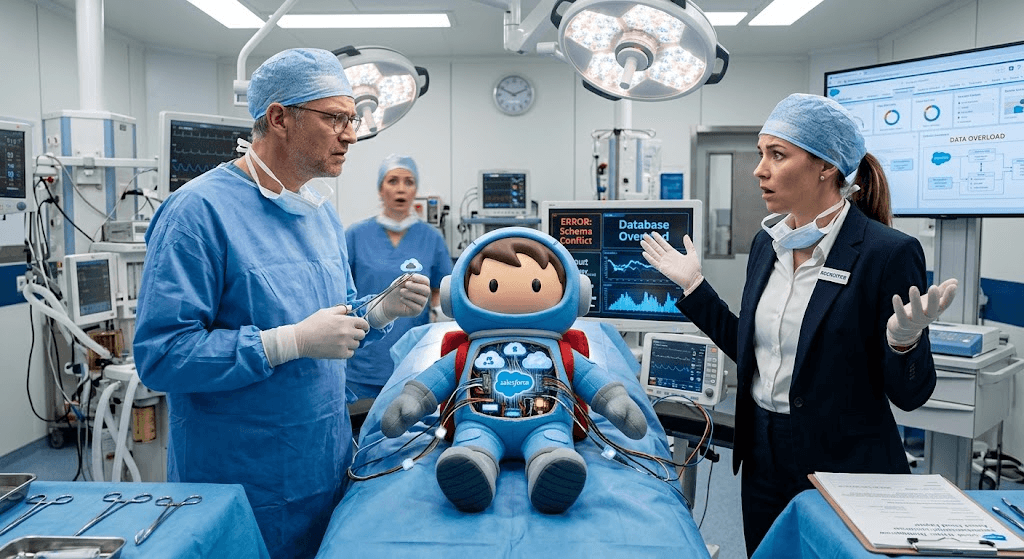
Recruitment isn’t short on technology. What’s missing is flow. CVs, ATS systems and databases often work fine on their own, but as soon as information moves from one system to another, meaning gets lost. What was understood once suddenly has to be interpreted again.

In that reality, terms like AGI and ASI come up more and more often. Usually mixed together. And that’s exactly where the conversation starts to drift, while a clear distinction would actually help define what recruitment needs today.


ASI: impressive, but not useful for recruitment

ASI refers to systems that learn on their own, set goals and make decisions beyond human level. It’s an important idea in ethical and societal debates about technology.

For recruitment, though, it has little practical value. Not because technology doesn’t matter, but because recruitment isn’t a closed system. Candidates, clients and timing change constantly, and decisions depend heavily on context.

The problem with ASI is that it focuses on autonomous decision-making, while recruitment struggles with something far more basic: lost context, fragmented processes and systems that don’t talk to each other.

That’s why decision-making in recruitment belongs with people. Not because technology isn’t good enough, but because only people can see the full picture: conversations with candidates, client dynamics and the right timing.


AGI: not about doing everything, but about building differently

AGI (Artificial General Intelligence) is often made bigger than it needs to be, as if it only exists once a system can do everything. In reality, AGI is much more practical: it’s about applying understanding across different situations.

AGI doesn’t exist without context. What it means in finance is different from healthcare, and in recruitment it takes on its own shape again.

Here, AGI isn’t about predicting or deciding. It comes down to one simple question:

"Can what a system understands be reused across multiple steps of the recruitment process?"


A familiar pattern in day-to-day work

In many recruitment teams, the same thing happens every day.

A CV comes in with an unusual layout. The content is good, but messy. A recruiter interprets it, rewrites the profile and presents it. Later, that same profile needs another rewrite for a different role. Meanwhile, the database slowly becomes outdated.

Each step works. But the understanding resets every time.

Many recruitment tools call themselves intelligent, but are really just separate automations that don’t share context. What’s added in one step disappears in the next.

That’s not a lack of intelligence. It’s how the systems are designed.


Where AGI actually starts in recruitment

AGI doesn’t start when tasks get faster. It starts when understanding sticks.

In recruitment, that means:

  • experience doesn’t need to be reinterpreted every time

  • knowledge isn’t rebuilt for each process

  • context stays intact between CVs, profiles and databases

  • systems behave consistently, even when input changes

Once every step needs its own rules and exceptions, things fragment. That might feel efficient at first, but over time it creates complexity and errors.

AGI starts where that fragmentation stops.


Why “smarter” systems miss the point

The instinct is often to look for bigger models, more automation or more autonomy. But recruitment doesn’t need systems that decide on their own.

It needs systems that:

  • support rather than replace

  • stay consistent instead of fragmented

  • strengthen human judgement instead of overriding it

That’s the real difference between AGI and ASI. Not how smart the system is, but how it fits into the process.


When AGI stops being a promise

The line is clear. AGI in recruitment does not exist when:

  • every task follows its own logic

  • context has to be rebuilt again and again

  • people constantly bridge the gaps between systems

AGI does exist when understanding can be reused. When the same interpretation flows through multiple steps without redesigning the process each time.

That’s not a future vision. It’s a way of building.


Where it all comes together

AGI becomes tangible when understanding doesn’t stop after one step, but carries through everything that follows.

A profile that’s properly understood shouldn’t lose meaning when a CV is transformed. That same interpretation should flow into the ATS, the database and the next steps. That’s when processes calm down.

If a CV can be written back to the ATS immediately, manual work disappears for good, not just temporarily. And if profile data stays up to date automatically, context doesn’t need to be rebuilt all the time.

That’s AGI as continuity: understanding that moves with the process.

At Spadework, that’s the starting point. Not isolated smart features, but one coherent system where CV processing, ATS integration and database updates rely on the same shared understanding. What’s understood once doesn’t need to be explained again.

That’s when AGI stops being a promise and becomes a practical part of recruitment.

Contact

Contact

Contact

The future of recruitment

Try Spadework for yourself with a free account, click for more information or schedule an appointment to see how we make recruitment easier.

Subscribe to our newsletter

Stay up to date with the latest news, trends, and insights in the world of AI and Recruitment by subscribing to our newsletter.

Subscribe to our newsletter

Stay up to date with the latest news, trends, and insights in the world of AI and Recruitment by subscribing to our newsletter.

Subscribe to our newsletter

Stay up to date with the latest news, trends, and insights in the world of AI and Recruitment by subscribing to our newsletter.